
Painting a Better Future: Using Creativity to Empower Children and Foster Social Good
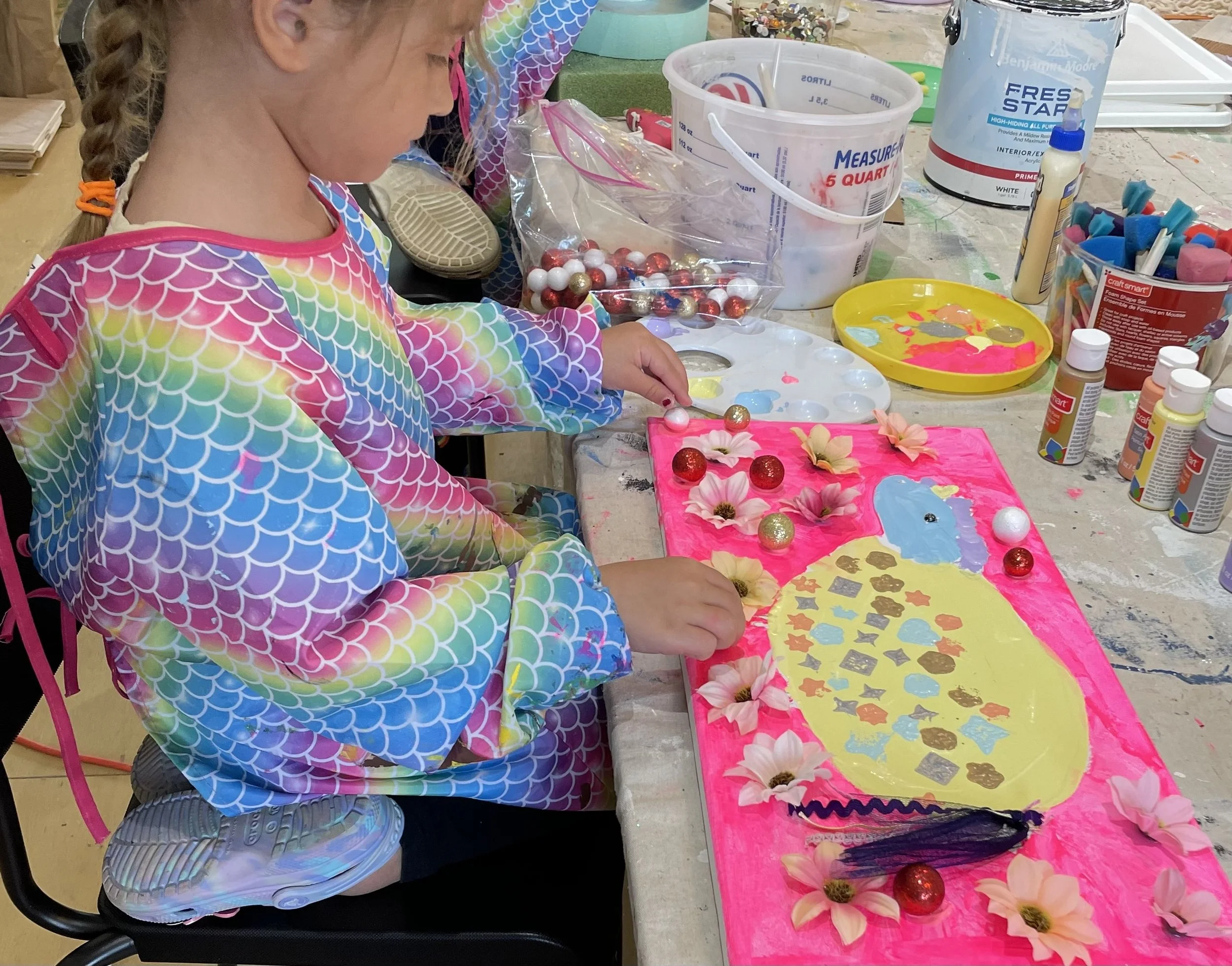
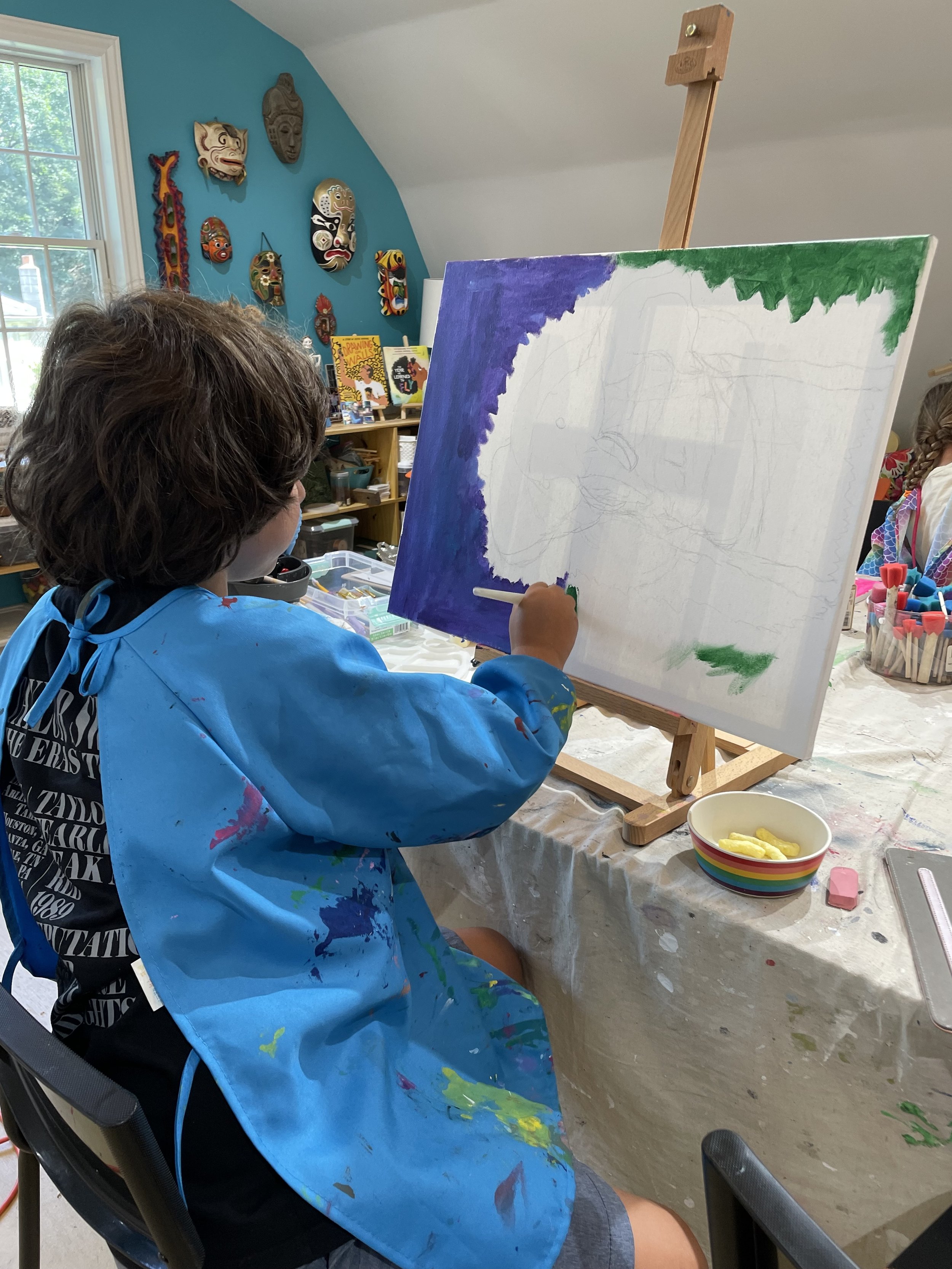
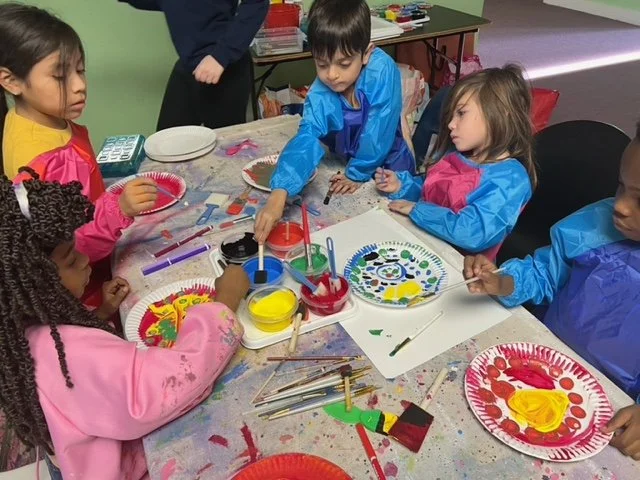
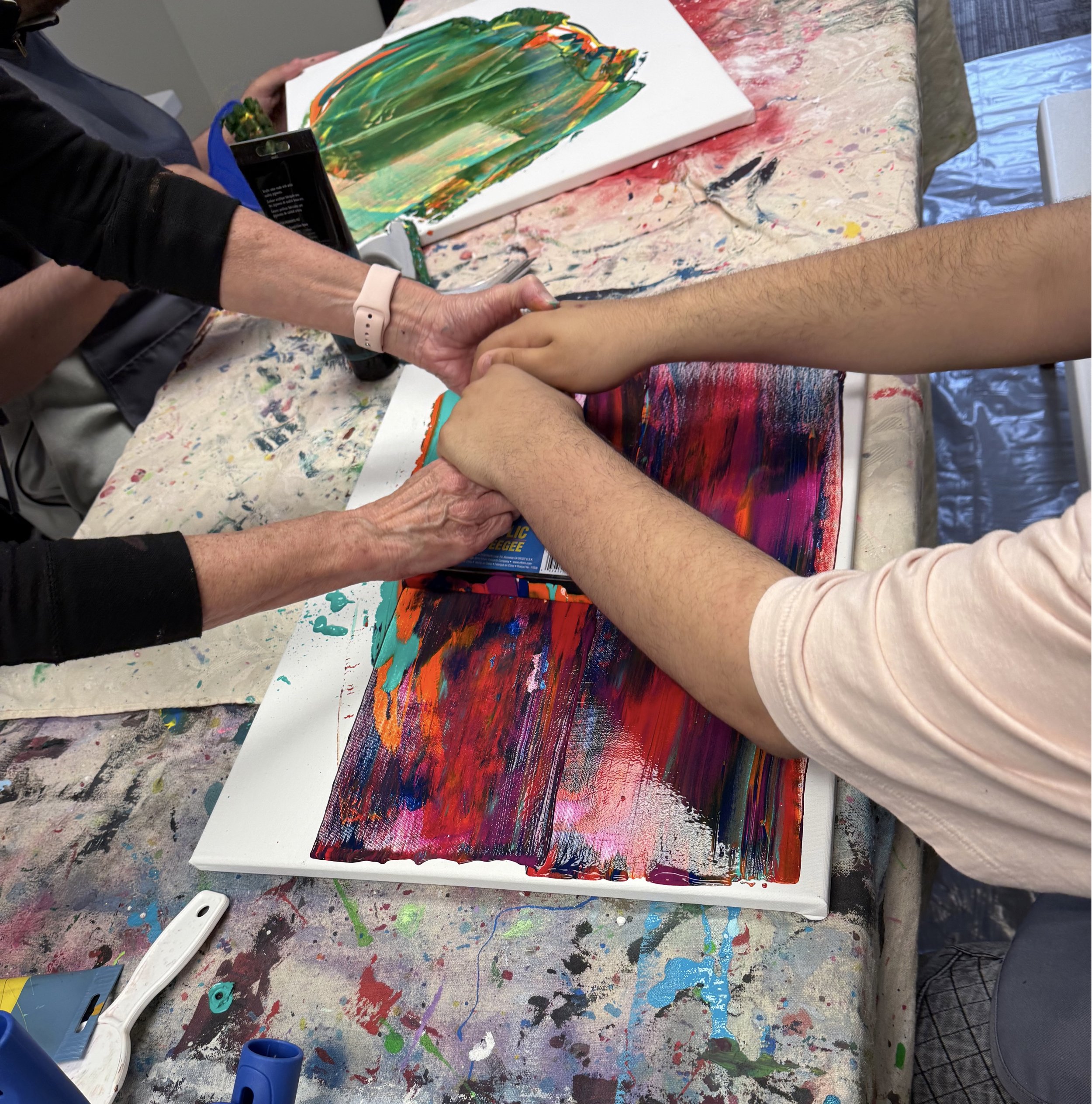
Give children opportunities to feel self-empowerment
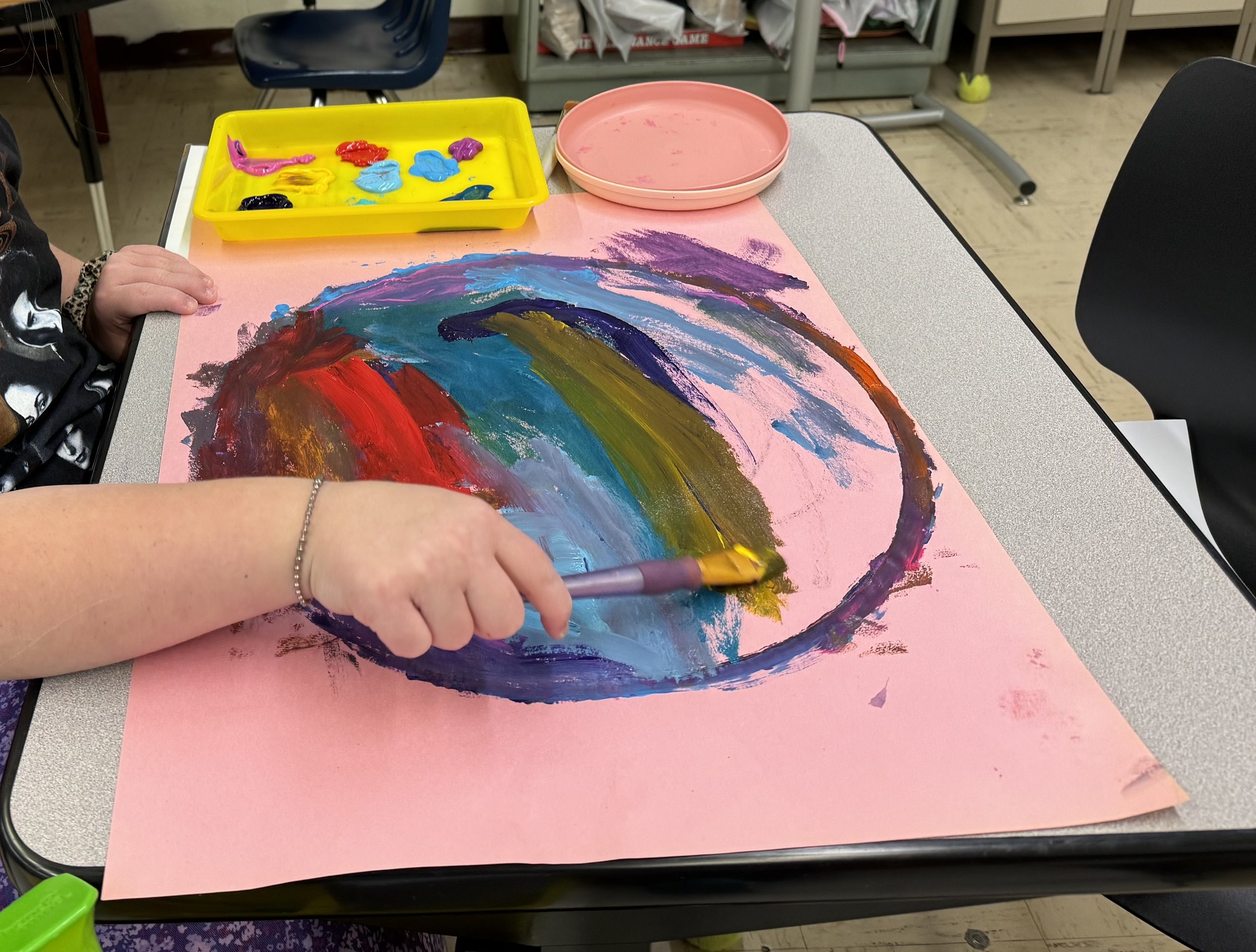
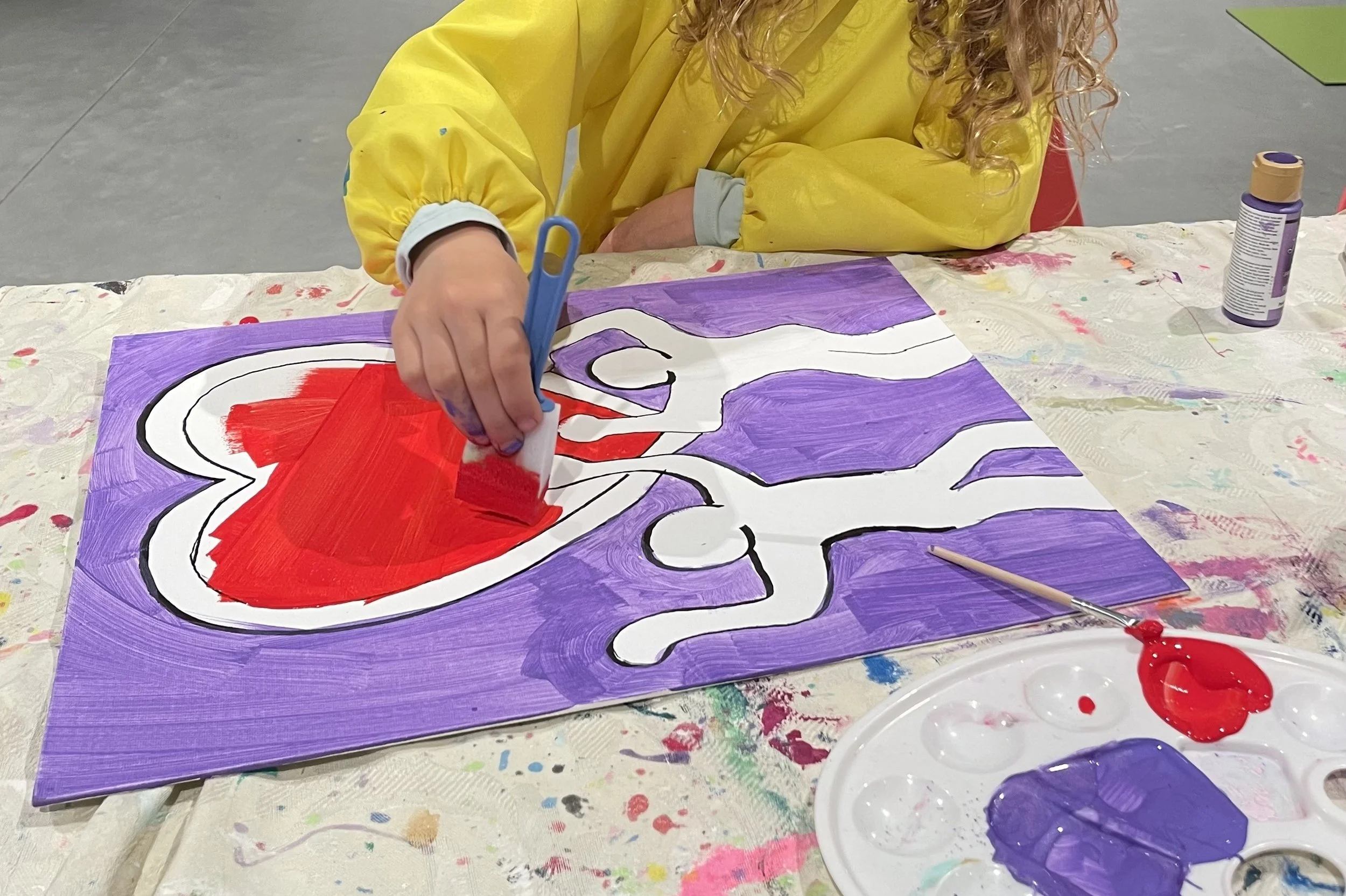
In an uncertain world, imagine how empowering it would be for children to realize that they are far from powerless. One significant and compelling way that children can bring about positive a change on a local, national, and even global level is through art making.
Artists have always commented on and exposed social issues with their art, as well as advocate for change. The combined voices of artists often rise to a pitch that cannot be ignored. Pablo Picasso used his artistic platform to speak out against war. Dorothea Lange’s photography raised awareness and sparked reform around poverty. Keith Haring’s work addresses issues from nuclear proliferation to AIDS awareness, and the story quilts of Faith Ringgold expose truths about gender and race inequality. These and other examples of artists using their remarkable gifts to do good in the world are inspiration for the next generation of artists.
Creating art to speak about something meaningful to them helps children develop empathy and
awareness and moves them to learn more about what is going on in their world. Children who find this outlet for their passions and the empowerment to do good are likely to feel safer, less fearful, and more hopeful about what is possible as the world around them feels uncertain.
It is often difficult for parents to know how to talk to their children about certain events happening in the world
By offering them an artistic outlet, which in itself reduces stress hormones and helps them balance their emotions, and specifically one that is about making the world a better place, we can help them feel hope and realize that their voice matters.
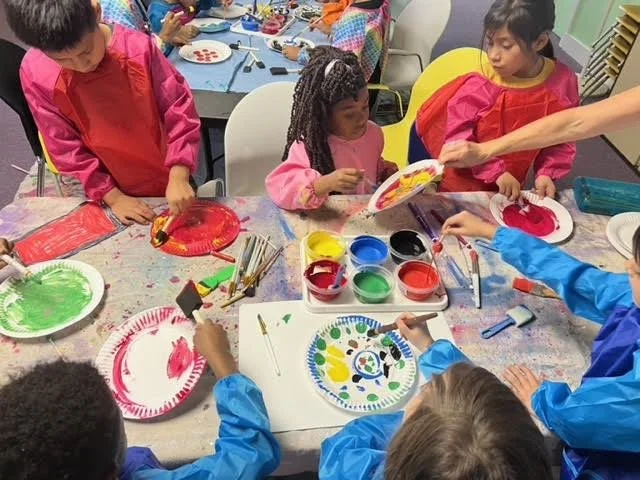
I can’t even put a number on how many times in my career I have seen children from age 5 to 18 light up when given the opportunity to focus their creativity on things that matter to them in the world. First, I ask them to think about what that might entail and from a short list of issues they are passionate about, select one to work with. I have seen kids choose animal rights, ocean pollution, homelessness, human rights, war, climate change, LGBTQIA+ justice, and more.
They decide why their cause is important to them—synthesizing their thoughts on paper.
They gather information about their topic, through research and, if possible, meeting and communicating with other people who are involved in the cause.
They choose their art medium (clay, paper, painting, fabric).
I guide them on ways to get the message across, for example through visuals and minimal text.
We discuss how best to share the work with family, school, and community to amplify their message and share their passion for it.
The message for young artists is this: if you believe strongly in something, you can not only express that through art, but also promote real change. These projects can be carried out by individuals but also by an entire school or school district.
School-Wide and Interdisciplinary Art Projects have a huge impact on learning and how to collaborate:
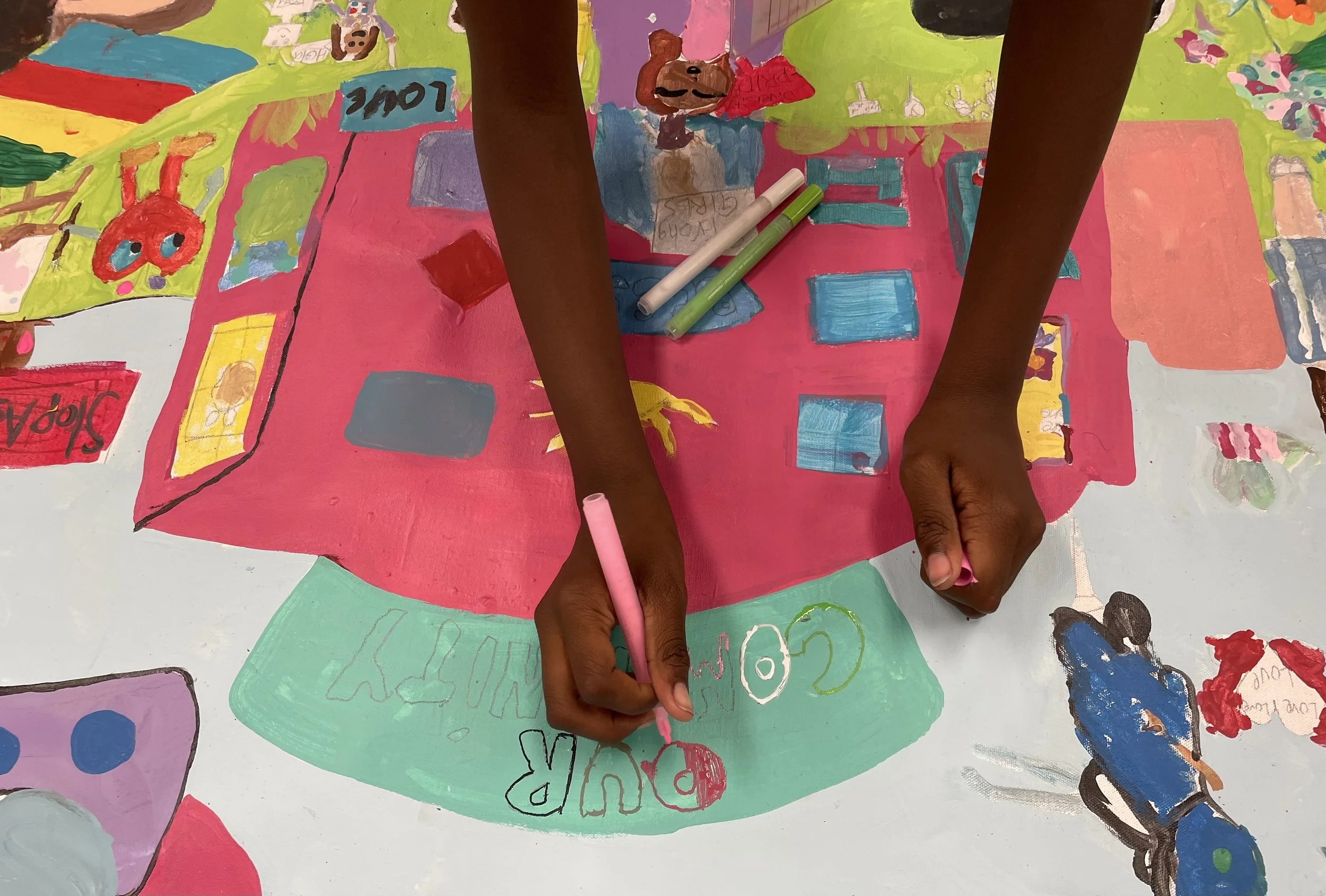
An example of this group approach is a school-wide project I directed that focused on climate change. It included every student from kindergarten through 8 th grade. Students learned about climate change at an age-appropriate level. Collaboration with homeroom, history, and science teachers, if possible, means this kind of expansive creative project is shored up by academic rigor. For several months, students learned, made creative decisions about how to use their art to address the issue, and finally produced a range of incredible art projects, from photography and
collage to sculpture and murals. In several cases, the work was collaborative, with every member of a grade level contributing to a final, cohesive product.
Paul Robeson once said, “Artists are the gatekeepers of truth.” He used his creative gifts to raise
awareness and affect positive cultural change. But famous people do not have a corner on that
market. Every act of creation need not be an act of resistance but the fact that it can be is a
meaningful message of empowerment to children everywhere.
Sed ut perspiciatis unde omnis iste natus?
Sit voluptatem accusantium doloremque laudantium, totam rem aperiam, eaque ipsa quae ab illo inventore veritatis et quasi architecto beatae vitae dicta sunt explicabo.